


"A family based in north London wants to find an extraordinary and skilled educator to guide their youngest child on his first steps to growing into an English gentleman."
Upon seeing this listing, you might easily overlook the wording "initial stages" as simple an expression.
However, it could be the most significant element of this unusual job advert, as it attempts to recruit a tutor for a infant.
Numerous of responses have already been submitted since the unnamed family published their search for the £180,000 per year tutor, who has to be "an exceptional individual".
Over the last few weeks, the post has received notice across the news, with many asking why?
Progressive Approach
The CEO, CEO and founder of an education consultancy, which is helping the family in their quest, stated that in spite of early skepticism, he found the plan "far sighted", and "progressive".
When he consulted the family, he mentioned they recognized the unusual aspect of their requirement, and how young their son is.
Nevertheless, they explained that they "preferred not to postpone any longer" to get a tutor, as they had held off until their firstborn was five, and by that point "cultural influence had by then become established".
What exactly does the family refer to by "cultural bias"?
It's "comprehensive", the expert responded. "The way you eat, the way you speak".
He stated the firstborn had absorbed "very nuanced, unspoken signals" from the family, and had adopted their cultural norms. The family informed the consultant they hoped to prevent this pattern to repeat itself with their new baby.
The plan: To engage a British tutor, who should speak with Received Pronunciation, to guide the baby from day one.
Natural Absorption
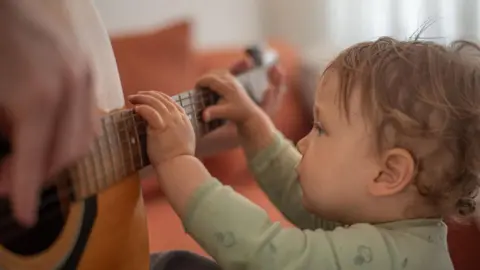
"A lot of the education at the beginning here is kind of absorbed naturally," explained the expert.
It's through this osmosis that the family are hoping the child will pick up the UK customs they want to instil.
The consultant noted the tutor needed to be an individual who went to "the right kinds of schools – the same kinds of schools as the family hope to send their son to".
"The tutor just has to be the suitable individual, they'll be doing things they aren't even aware they're doing, simply by nature," he added.
Expense Not a Factor
The family told him the successful candidate should ideally also have understanding of or interest in equestrian activities, winter sports, creative fields and music so as to influence the child in a wide range of passions.
Furthermore though, he said the family wanted the tutor to sign up the child on a variety of lessons so the child would be "horseback riding and picking up an instrument by the time they are approximately three years old".
In the family's minds, assisting their son become a "UK sophisticate" will bring about success and create opportunities.
"Considering the pros and cons of that, because it's definitely a status symbol," he comments.
However, despite all this instruction in "English culture", would the child adopt alleged cultural bias from the globally influenced family he lives with in any case?
"Yes", answered he. "They understand this may not work, but they've simply adopted the view of, 'we should try and let's go as soon as we can', because the cost of it is not relevant," he said.
Idealistic and Unrealistic
There are some in the tutoring industry who express these concerns.
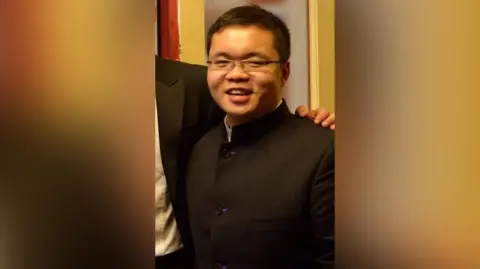
Peter Cui, CEO and founder of Blue Education, who also offer personal educators, commented that "the development of becoming bicultural, or in fact, forming one's identity, is something that must be experienced personally, not designed."
He noted that he had emigrated from China to the United Kingdom at the period of seven, and had been raised experiencing and practicing both cultures. He went on to study at Cambridge University.
"The notion that an individual can act as a living vessel of English culture, someone who can somehow transfer the characteristics of a English gentleman onto a one-year-old child, appears optimistic and unfeasible," he wrote.
"Based on my background, having a distinctly UK tutor from infancy will will not instantly produce the result they hope for.
"I did not have that kind of mentor, and however I have been lucky enough to experience many of the opportunities they aspire for their son."
He stated: "The fact is, self-identity should not be imposed from the outside influences; it must be selected, and it must be internally driven."
Buying Britishness
Certainly, English culture is something Adam believes can be instructed – and commercialized.
"I think the reality that the international society regards us in this respect is something that we should be cherishing|valuing|appreciating


